A safe nursery is mostly about what you leave out. A bare crib looks empty, and that's the point. Work through the checks below before your baby arrives, then keep the last group as your routine for every sleep.
The sleep space
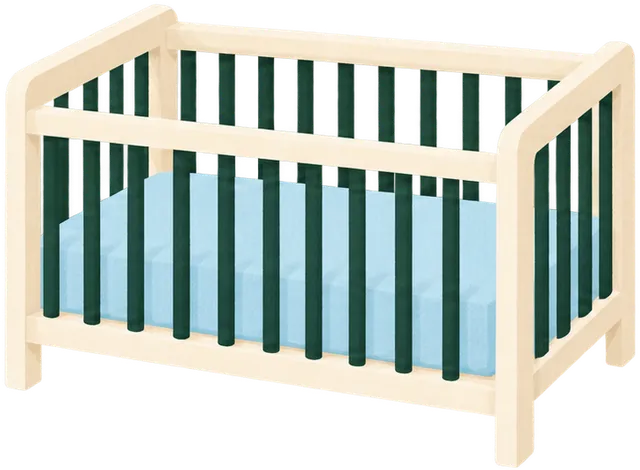
A crib, bassinet, portable crib or play yard that meets CPSC safety standards
If a product doesn’t meet federal safety standards, the AAP says don’t use it. Check secondhand ones against recalls.
AAP safe sleep guideA firm, flat mattress
Firm means it doesn’t indent when your baby lies on it. Any surface that inclines more than 10 degrees isn’t safe for sleep.
AAP safe sleep guideOnly a fitted sheet made for that mattress
The CPSC says use only a fitted bottom sheet specifically made for crib use.
CPSC crib safety tipsNothing else in it
No blankets, pillows, stuffed toys or bumper pads. Your baby could roll into them, and they could block airflow.
AAP safe sleep guideNothing weighted
The AAP says don’t use weighted blankets, sleepers, swaddles or other weighted objects on or near your baby.
AAP safe sleep guideIn your room, not your bed, for at least 6 months
The AAP advises room-sharing close to your bed, but not in it, for at least the first 6 months.
AAP safe sleep guide
Where it goes

Away from windows and blind cords
The CPSC says move cribs away from windows and window covering cords, preferably to another wall, and go cordless where you can.
CPSC on window covering cordsEvery cord at least 3 feet away
Keep monitor and other cords out of reach: 3 feet from any side of the crib. Never put a camera on the crib rail.
CPSC on monitor cordsDressers and TVs anchored to the wall
Furniture and TV tip-overs injure children. The CPSC’s Anchor It campaign shows how to secure them.
CPSC Anchor It
Every sleep

On their back, for every nap and every night
Babies who sleep on their backs are much less likely to die suddenly and unexpectedly. The side position is just as dangerous as the stomach.
AAP safe sleep guideDressed for the room, not too warm
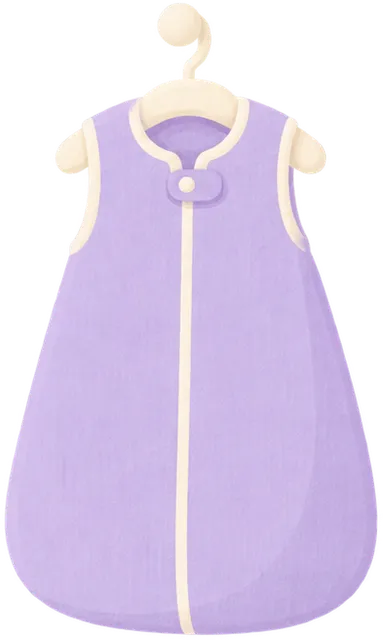
Overheating can increase the risk of SIDS. Dress your baby in only one layer more than you are wearing; use layers or a wearable blanket instead of a loose blanket.
AAP safe sleep guideSwaddle only until they try to roll
Stop swaddling as soon as your baby shows signs of trying to roll over. Then switch to an arms-free sleep sack.
AAP on swaddlingOffer a pacifier at naps and bedtime
The AAP says pacifiers help reduce the risk of SIDS. If you’re breastfeeding, wait until feeding is established.
AAP safe sleep guideMoved to the crib if they fall asleep elsewhere
If your baby falls asleep in a car seat, stroller, swing or carrier, move them to a firm, flat sleep surface on their back as soon as possible.
AAP safe sleep guide
Leave these out
Crib bumpers and padded liners
Sleep positioners and wedges
Inclined sleepers and anything that tilts more than 10 degrees
Weighted sleep sacks, swaddles or blankets
Products that claim to reduce the risk of SIDS
The AAP advises against these. It also says to be wary of any product that claims to reduce SIDS: there's no evidence that this is true. Source: AAP safe sleep guide. Not sure about a product? Check CPSC recalls.
Keep it handy
Setting up the sleep space is one step in your Due-Date Plan, at around week 36. For how many sheets and sleep sacks to buy, try the linen calculator; for monitors, read the monitor facts first.
This checklist follows official guidance and is not medical advice. For questions about your baby's sleep or health, ask your pediatrician.